Match timing and conditions to the selected water
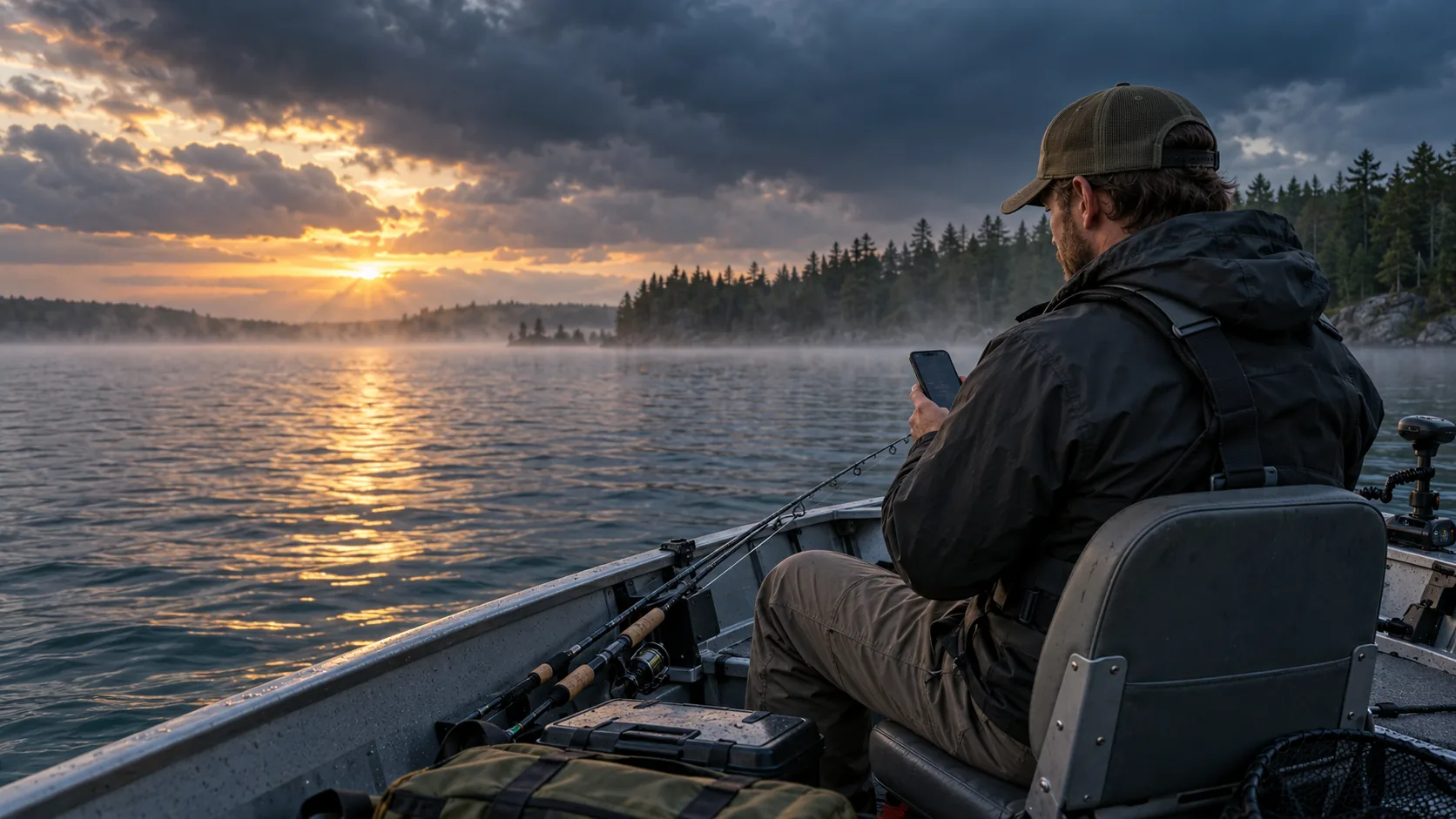
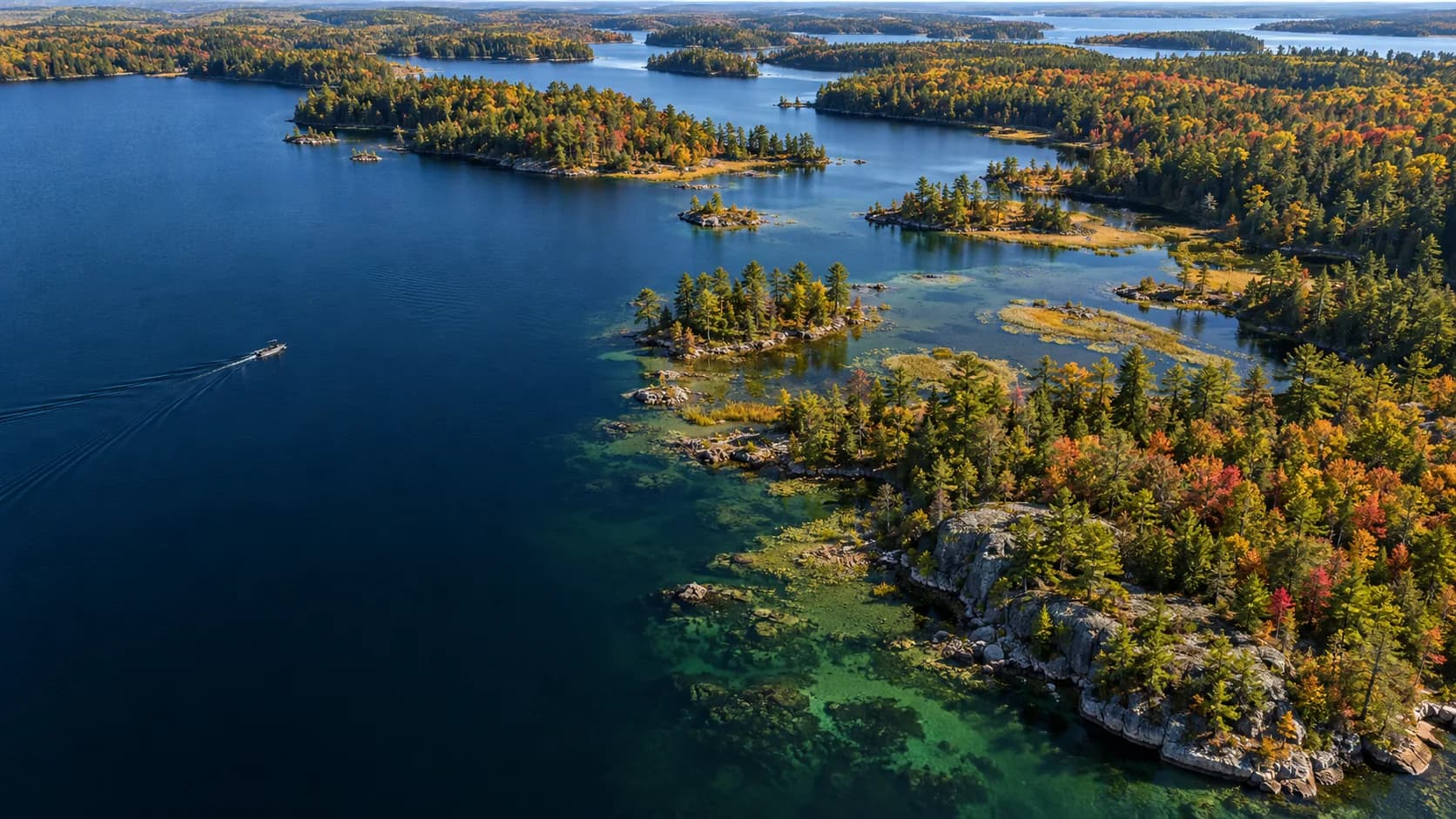
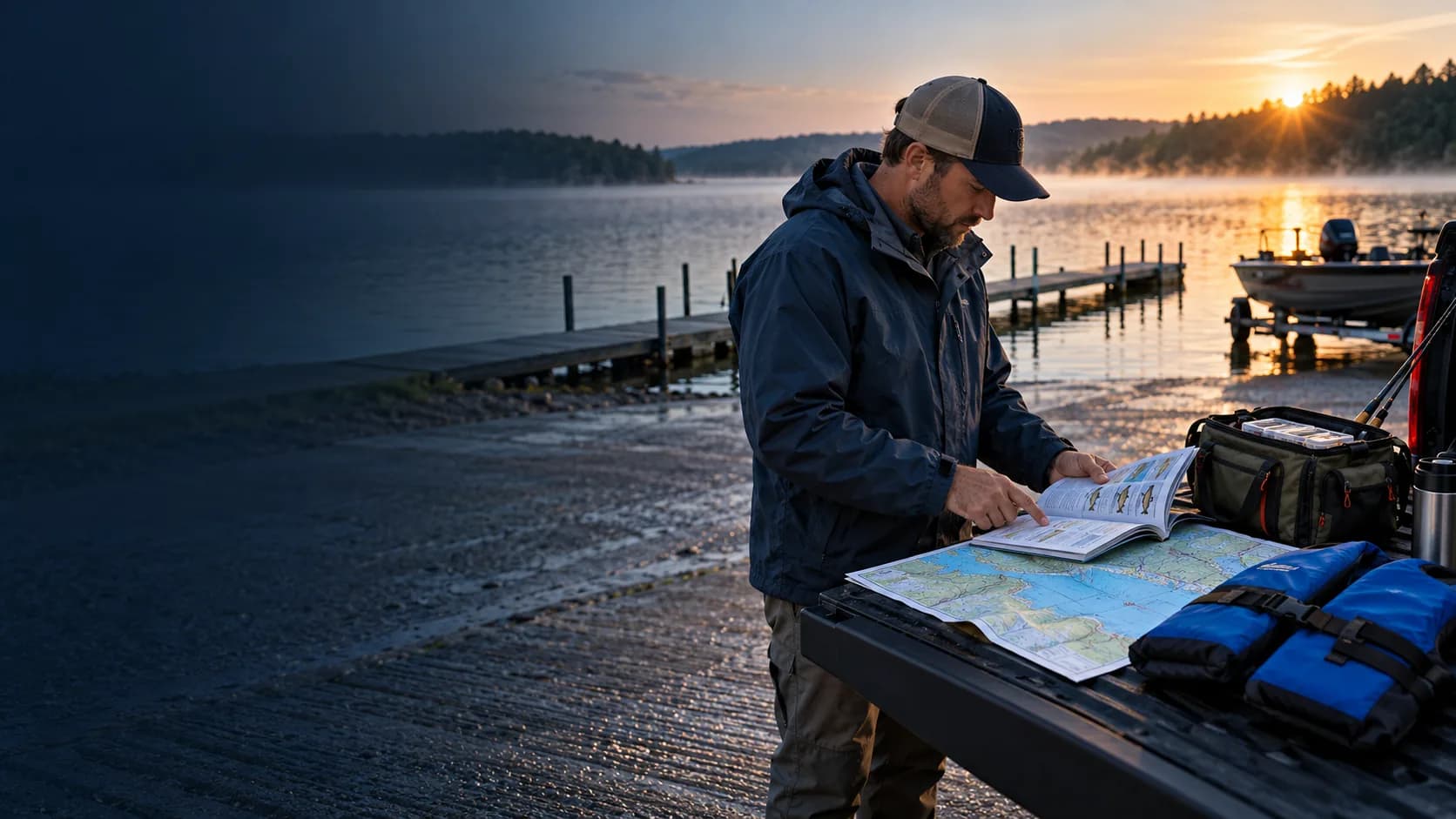
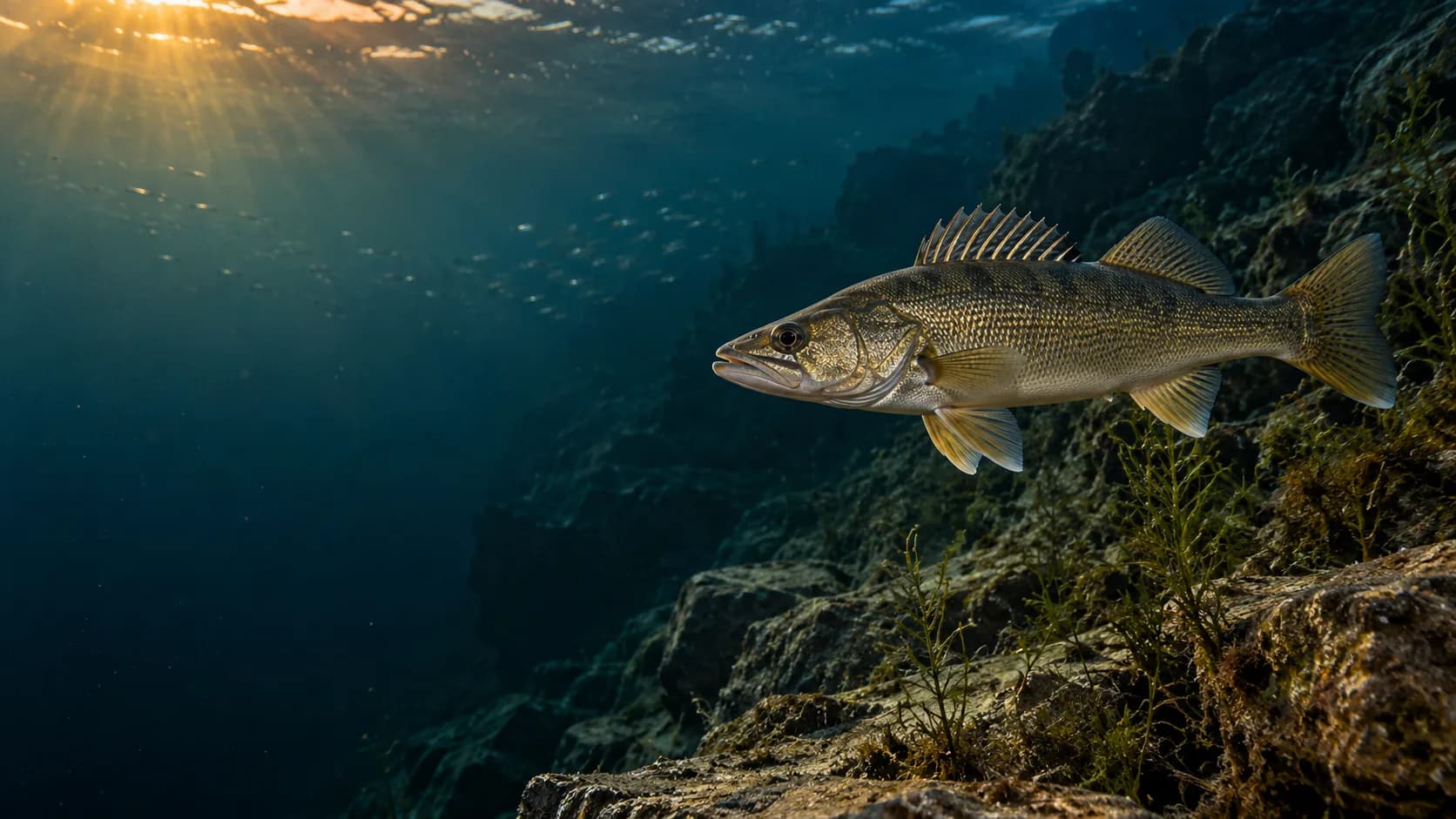
Low-light periods can be useful planning windows, but depth, clarity, forage, structure, current, and fishing pressure differ by waterbody. Select the lake or river first, then compare hourly conditions and major or minor solunar windows with the map and access plan.
Wind can create opportunity and risk at the same time. Review direction and speed against the shoreline, launch, boat size, and weather alerts before deciding where or whether to fish.
Keep seasonal advice tied to current evidence
Spring, summer, fall, and winter require different planning questions. Water temperature and flow can matter when reliable observations exist; unavailable readings should remain unavailable. Pressure trend and recent weather help describe the current transition without replacing direct observation on the water.
Confirm the official season, length, and bag rules for the exact water before keeping a fish. Special waterbody rules can differ from general statewide guidance.
- Exact lake, river, or flowage
- Low-light and solunar windows
- Wind direction, pressure trend, and front timing
- Available water temperature or flow context
- Current official waterbody regulations